

Global founders evaluating the UAE often start with Dubai or Abu Dhabi. That is understandable: both are globally visible, well connected, and deeply developed. Yet Ras Al Khaimah in UAE has become a serious option for founders who want a leaner, more practical base without leaving the UAE’s federal business, banking, tax, and residency environment.
The appeal is not that Ras Al Khaimah (RAK) is a shortcut around regulation. It is that RAK can give founders more room to design the right structure from the start, whether that means an operating free zone company, an international holding entity, a family office layer, a trading platform, or a more specialised structure for digital assets or intellectual property.
For international founders, the question is no longer simply “Where is the cheapest UAE license?” A better question is: “Which UAE jurisdiction fits my operating model, banking profile, tax position, governance needs, and next 24 months of growth?” For many, RAK deserves a place on that shortlist.
RAK’s real advantage: practical optionality
Ras Al Khaimah is one of the UAE’s seven emirates. From a founder’s perspective, its appeal lies in the way it combines local cost discipline with access to the UAE’s broader corporate environment. A company established in RAK still operates within the UAE’s federal framework for corporate tax, VAT, banking supervision, AML expectations, immigration, and beneficial ownership transparency.
That matters. A RAK structure is not credible because it is obscure. It is credible when it is well matched to real business activity, properly documented, and capable of passing bank and authority review.
RAK is also unusually flexible in terms of structuring options. Founders can look at several routes, including RAKEZ for free zone operations, RAK ICC for international business companies and holding structures, mainland routes for onshore UAE activity, and specialised frameworks for sectors such as digital assets. Each route solves a different problem.
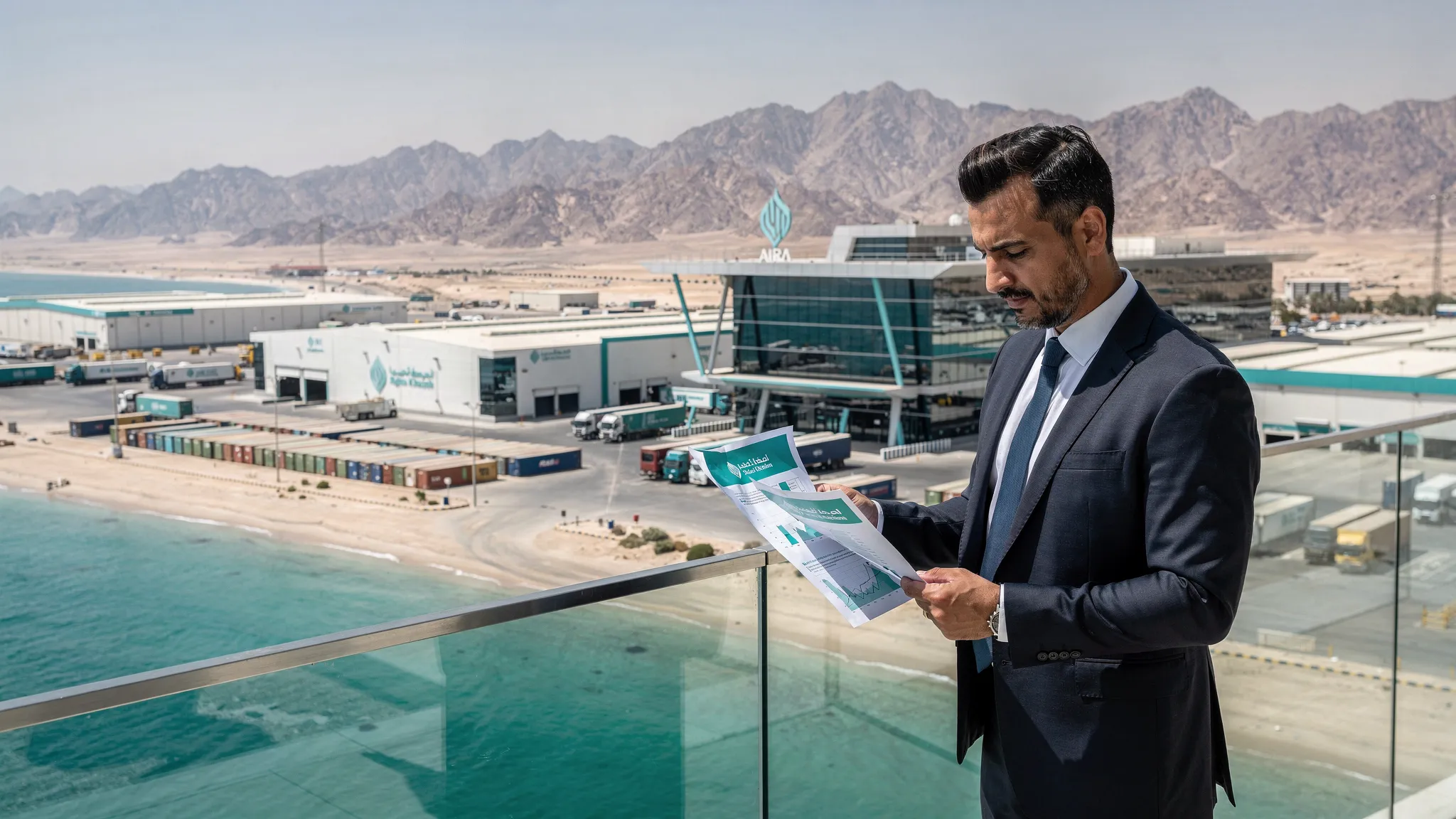
The main RAK routes global founders compare
RAK is not one single company setup product. It is a jurisdictional ecosystem. The right route depends on whether the founder needs to operate, hold assets, hire staff, obtain visas, trade locally, attract investors, or maintain a private wealth structure.
| RAK route | Best suited for | Main planning point |
|---|---|---|
| RAKEZ free zone company | Services, trading, e-commerce, light industrial activity, founders needing visas | License activity, facility, visas, banking, tax, and bookkeeping must align |
| RAK mainland company | Businesses needing direct UAE onshore market access | Local licensing, premises, labour, approvals, and onshore contracting need early review |
| RAK ICC company | Holding companies, SPVs, asset ownership, international structuring | Not an operating UAE trade license and generally not a visa route by itself |
| RAK foundation or private wealth structure | Succession, asset protection, family governance, holding shares or assets | Governance documents, tax treatment, control, and beneficiary planning must be precise |
| Sector-specific RAK structures | Digital assets, industrial projects, specialised ventures | Regulatory perimeter, bankability, activity scope, and substance require careful analysis |
This is where many founders make the wrong first move. They ask for “a RAK company” before defining what that company must do. A consultant selling a low-cost license may treat every founder the same. A proper structuring process starts with commercial reality: where the revenue comes from, where the team works, who owns the company, what banks will need to see, and what future investors or counterparties will expect.
For a practical formation workflow, Alldren’s guide to Ras Al Khaimah company registration covers the registration choices in more operational detail.
Why global founders are paying attention to Ras Al Khaimah
RAK’s appeal is not based on one feature. It comes from the combined effect of cost, structure, lifestyle, credibility, and long-term planning.
1. Lower operating drag can extend founder runway
Early-stage founders often underestimate the cumulative cost of jurisdictional decisions. A premium address can be useful, but it can also consume runway before the business has proven its revenue model. RAK can be attractive because founders may be able to build a UAE presence with more controlled overhead, especially when they do not need to be in a central Dubai district every day.
This does not mean the cheapest package is the best one. Very low-cost structures can become expensive if they are misaligned with banking, visa needs, corporate tax, or client onboarding. The real benefit is not simply paying less at incorporation. It is designing a structure with the right recurring cost base for the business.
That is particularly relevant for remote-first founders, international service businesses, e-commerce operators, consultants, holding companies, and founders who need a UAE base but not necessarily a high-profile city-center footprint.
2. RAKEZ gives operating businesses a flexible free zone base
RAKEZ is often considered by founders who want an operating company in the UAE with licensing, visa eligibility, and facility options. It can suit professional services, trading, e-commerce, consultancy, industrial activity, and other business models, subject to activity approval and the correct license scope.
The benefit for global founders is that RAKEZ can support a practical operating footprint without forcing every business into a heavy physical infrastructure model from day one. However, this should not be misunderstood as “no substance required.” Banks, tax authorities, and counterparties increasingly look beyond the license certificate. They want to understand where management happens, how the business generates revenue, who controls the company, and whether the company’s documents match its actual activity.
If you are comparing cost, timeline, and operational readiness, see Alldren’s guide to RAK free zone company setup.
3. RAK ICC supports holding and international structuring use cases
For founders with cross-border assets, intellectual property, investment holdings, international contracting needs, or family governance concerns, RAK ICC can be relevant. It is commonly used for international business companies, holding structures, SPVs, and private wealth planning.
The key is using it for the right purpose. A RAK ICC entity is not the same as an onshore operating company. It generally should not be presented as a free zone company with employees, UAE visas, and a local trading footprint. When used properly, however, it can form part of a wider structure, such as a holding layer above an operating subsidiary or an SPV for asset ownership.
This distinction matters for banking. Offshore or international structures often face more detailed KYC, UBO, and source-of-funds review. That is not a reason to avoid them, but it is a reason to prepare them professionally. Alldren’s guide to RAK offshore benefits, costs, and compliance explains the use cases and limitations in more depth.
4. RAK can fit modern founder lifestyles
Founders choosing the UAE are often making both a business decision and a personal base decision. RAK offers a different rhythm from Dubai or Abu Dhabi: coastline, mountains, resorts, residential communities, and a less congested operating environment. For founders who do not need daily proximity to venture capital offices, financial regulators, or major enterprise clients, that can be attractive.
Lifestyle alone should never drive incorporation. But lifestyle can affect founder retention, family relocation, hiring, and the sustainability of a long-term UAE presence. A structure that looks efficient on paper but does not support how the founder actually lives and works is more likely to fail substance, banking, or tax-residency tests later.
5. RAK is useful for founder-led groups that need layers
Many global founders do not need only one company. They may need an operating company, a holding company, an IP owner, a property SPV, or a private wealth vehicle. RAK can be useful because it offers multiple structuring tools within one emirate’s ecosystem.
For example, a founder may operate through a free zone company while holding shares through a separate vehicle. A family business may use a foundation-style structure to support succession. A SaaS founder may separate operating risk from intellectual property ownership, provided transfer pricing, commercial substance, and licensing are handled correctly.
The value of RAK is strongest when these layers are designed intentionally. Adding entities without a clear purpose creates complexity, increases bank scrutiny, and can weaken the structure’s credibility. The correct test is simple: each entity should have a defined commercial, governance, tax, or risk-management role.
6. RAK can support industrial, trading, and logistics-focused businesses
RAK is not only a holding-company jurisdiction. The emirate has long appealed to industrial, manufacturing, logistics, trading, and warehousing businesses that need practical facilities and access to UAE infrastructure. For founders in physical goods, procurement, distribution, or light manufacturing, the jurisdiction may offer a more suitable operating environment than a purely office-based free zone.
The analysis should still be activity-led. A trading business importing goods, storing inventory, and selling to UAE customers faces different questions than a digital consultancy invoicing overseas clients. Customs, VAT, premises, employees, banking, and contracting terms need to be mapped before incorporation.
7. RAK works best when founders treat compliance as part of the product
Global founders increasingly face bank, investor, and client diligence before they can scale. A company that cannot explain its ownership, source of funds, activity, contracts, tax status, or management location will struggle, regardless of which emirate issued its license.
In the UAE, companies must consider corporate tax, VAT where applicable, bookkeeping, UBO records, license renewals, and bank KYC. The UAE Ministry of Finance and Federal Tax Authority provide official information on tax obligations, but founders still need to apply those rules to their actual structure.
RAK’s advantage is that a properly designed structure can be lean and credible at the same time. But that requires discipline from day one.
RAK versus Dubai and Abu Dhabi: when it makes sense
RAK is not “better” than Dubai or Abu Dhabi in every case. It is better for certain founder profiles. A fintech seeking a financial services license may need DIFC or ADGM. A luxury retail concept dependent on Dubai foot traffic may need a Dubai mainland or free zone strategy. A government-contracting business may require a different onshore setup.
RAK tends to make more sense when the founder cares most about fit, efficiency, and structural flexibility rather than prestige alone.
| Decision factor | RAK may fit well when | Another emirate may fit better when |
|---|---|---|
| Client proximity | Clients are international or remote-first | Daily access to Dubai or Abu Dhabi clients is essential |
| Cost base | The founder wants UAE presence with controlled overhead | Brand visibility justifies higher recurring costs |
| Structuring | Holding, SPV, free zone, or layered structures are important | A financial free zone or sector regulator is required |
| Operations | Trading, services, e-commerce, industrial, or international operations fit the license | Regulated finance, aviation, media, or specialist approvals dominate |
| Banking | The structure can be documented clearly and bank-ready | The activity requires a bank with a specific jurisdiction preference |
The most important point is that the emirate should follow the business model. Founders get into trouble when they choose a jurisdiction first and force the business to fit it later.
The compliance reality founders should not ignore
RAK’s attractiveness increased as the UAE became more regulated, not less. That may sound counterintuitive, but serious founders benefit from a jurisdiction where credible corporate structures can be documented and maintained.
In 2026, founders should assume that every UAE company needs a compliance operating model. At minimum, that includes accurate corporate records, clear UBO information, proper accounting, tax registration analysis, VAT threshold monitoring, license renewal discipline, and a bank-ready file.
The biggest mistakes global founders make are predictable:
- Using an offshore company for activity that actually needs an operating license.
- Choosing the cheapest setup before understanding banking requirements.
- Treating a trade license as the end of the process rather than the beginning.
- Mixing personal and business funds before a corporate bank account is ready.
- Confusing UAE immigration residency with tax residency.
- Adding nominee or holding layers without governance documents and substance.
These mistakes are not unique to RAK. They occur across the UAE. But because RAK is often chosen for efficiency, some founders underestimate the need for documentation. That is where a low-cost setup can become a high-cost remediation project.
Banking is the clearest example. A RAK company can open a UAE corporate bank account, but no provider can guarantee bank approval. Banks assess the full profile: business activity, UBOs, source of wealth, expected transactions, counterparties, management location, and documentation quality. Alldren’s guide to what improves UAE company bank account approval explains the practical factors banks review.
How to approach a RAK setup without rework
The best RAK structures usually begin with a short but rigorous planning exercise. Before choosing RAKEZ, RAK ICC, mainland RAK, or a layered solution, founders should answer four questions.
First, what will the company actually do in the next 12 to 24 months? A consultancy, holding company, e-commerce business, property SPV, and digital asset vehicle all require different assumptions.
Second, where will revenue come from? Overseas clients, UAE customers, related parties, marketplace platforms, investors, and asset income create different licensing, VAT, banking, and tax considerations.
Third, what evidence will banks and counterparties ask for? A good structure should produce consistent documents: ownership charts, resolutions, contracts, invoices, source-of-funds evidence, management records, and accounting.
Fourth, what happens if the business grows? The cheapest single-license setup may not support hiring, investors, additional shareholders, UAE residency, IP separation, or multi-entity governance later.
A founder who answers these questions early can usually avoid the most painful form of UAE restructuring: fixing a company after banks, clients, or tax authorities have already identified inconsistencies.
Who should seriously consider RAK?
RAK can be particularly attractive to founders who are international by design. That includes remote-first service businesses, digital consultancies, e-commerce founders, holding company users, asset owners, family-office clients, and SMEs that want a UAE presence without unnecessary overhead.
It can also work for founders who value senior structuring advice over a generic setup package. The benefit of RAK is not automatic. It comes from matching the entity type, license, ownership, governance, tax posture, and banking plan to the founder’s actual commercial life.
If your business depends heavily on Dubai-based enterprise sales, a regulated financial license, or a specific local authority approval, RAK may still be part of the structure but not necessarily the operating center. The right answer may be a RAK holding layer with an operating company elsewhere, or no RAK component at all.
That is why the strongest RAK analysis is comparative. It does not ask, “Can I set up in RAK?” It asks, “Should I set up in RAK, and if so, which RAK vehicle should own, operate, hire, invoice, bank, and report?”
Frequently Asked Questions
Is Ras Al Khaimah in UAE a good place for foreign founders? Yes, it can be a strong option for foreign founders who want a practical UAE base, especially where cost discipline, flexible structuring, free zone operations, holding vehicles, or residency planning matter. The right choice depends on the business model, banking profile, tax position, and activity.
What is the difference between RAKEZ and RAK ICC? RAKEZ is generally used for operating free zone companies that may need licenses, facilities, visas, and commercial activity. RAK ICC is typically used for international business companies, holding structures, SPVs, and private wealth planning. They solve different problems and should not be treated as interchangeable.
Can a RAK company open a UAE corporate bank account? A RAK company can apply for a UAE corporate bank account, but approval depends on bank due diligence. Banks review ownership, source of funds, business activity, expected transactions, management, counterparties, and documentation. A bank-ready file is essential.
Does setting up in RAK automatically reduce UAE corporate tax? No. UAE Corporate Tax is federal, not emirate-specific. A company’s tax position depends on its legal form, residence, income type, free zone qualification, documentation, and compliance. Founders should obtain tailored tax advice before assuming a 0% outcome.
Can I get UAE residency through a RAK company? Often, yes, if the company structure and license support visas, such as through an eligible free zone or mainland setup. A RAK ICC company by itself is generally not used as a UAE residency route. Visa planning should be built into the structure from the beginning.
Is RAK only for small businesses? No. RAK can be relevant for startups, SMEs, holding companies, family offices, asset owners, industrial businesses, and international founders. The correct structure depends on scale, substance, governance, banking, and future growth plans.
Build a RAK structure that can actually operate
Ras Al Khaimah appeals to global founders because it can combine UAE credibility with practical structuring flexibility. But the value only appears when the structure is engineered around the business, not around the cheapest license.
Alldren helps founders and private clients design, establish, and manage UAE corporate structures with expert-led support across company setup, structuring, compliance management, governance, bank account opening support, UAE residency visa processing, bookkeeping, and tax registration.
If you are considering RAK, speak with Alldren before you incorporate. We can help you compare the right route, prepare a bank-ready structure, and build a compliance framework that supports the company after setup.
This article is general information only and should not be treated as legal, tax, financial, or immigration advice for your specific circumstances.


